
Prateek Thakur
abplive|22-09-2026
— Ben Gardner (@Ben_Wisden) September 22, 2026
The on-field officials were Chris Thurgate and Chris Brown, with Vengalil Kutty serving as the match referee. The match records confirm Thurgate and Brown as the on-field umpires.
The decision was subsequently changed, with the delivery ruled legal. That reversal proved significant as India were desperately trying to prevent Japan from completing what would have been a remarkable chase.
The sequence added another layer of drama to a match that had already taken an unexpected turn after rain reduced the contest to only five overs per side.
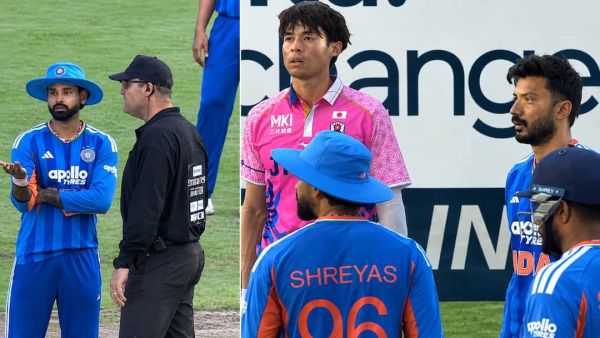
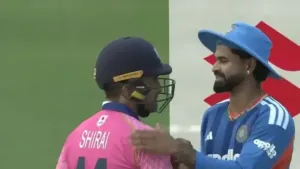
🔴 BIG CONTROVERSY BETWEEN SHREYAS IYER & UMPIRE 🤯
— Sam (@cricsam02) September 22, 2026
- Axar Patel bowled a legal delivery, but umpire called it a wide.
- Axar was angry with the umpire as it was already back-to-back wides, & Japan needed only a few runs to win.
- Shreyas Iyer then spoke to the umpire.
-… pic.twitter.com/VQtdQf6XvH
India Survive Japan Scare By Two Runs
India managed only 32/4 from their five overs after Japan's bowlers kept the Indian batting line-up under pressure. Shreyas Iyer top-scored with 16 from 12 balls, while Sanju Samson contributed nine.
Japan's reply went down to the final stages as the hosts finished on 30/3.
Kendel Kadowaki-Fleming scored 12, while Benjamin Ito-Davis made nine, but Japan ultimately fell two runs short.Washington Sundar played a key role for India with two wickets, while Axar Patel bowled two overs without taking a wicket. India eventually held their nerve despite Japan mounting serious pressure during the shortened chase.
The result gave India a narrow victory in the historic first men's international meeting between the two countries. The match was also India's final competitive outing before their men's Asian Games campaign begins later this month.
Shreyas Iyer’s Reaction Adds To Dramatic Finish
Iyer's response to the disputed wide call provided a striking visual from an already unusual international match. With only five overs available to each side, every delivery carried added importance.
The India captain had also made history earlier in the contest by choosing to bat first in a five-over-a-side T20I, becoming the first captain from a Full Member nation to make that decision in such a shortened international match.
India ultimately escaped with a two-run victory, but the late umpiring exchange ensured that the final over became one of the most memorable moments of the India vs Japan T20I.


CSK coach changed after 18 years, explosive entry of Zaheer Khan in place of Stephen Fleming
“We need match-winners”: Former pacer backs two Kohinoors of Indian cricket for 2027 ODI World Cup
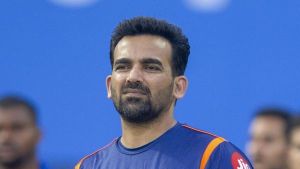
CSK names Zaheer Khan as new head coach for IPL 2027

Chennai Super Kings Announce Zaheer Khan As New Head Coach