
Sandy Verma
Tezzbuzz|31-03-2026
mumbai: The Indian Premier League’s long-standing promise of assembling the world’s best players at peak fitness is facing fresh scrutiny in IPL 2026, with multiple Australian stars either unavailable or restricted due to injury management.
What once fuelled the “club vs country” debate appears to be reversing this season, as franchises struggle to field fully fit overseas recruits—particularly from Australia—due to workload management dictated by their national board.
Green’s limited role sparks debate
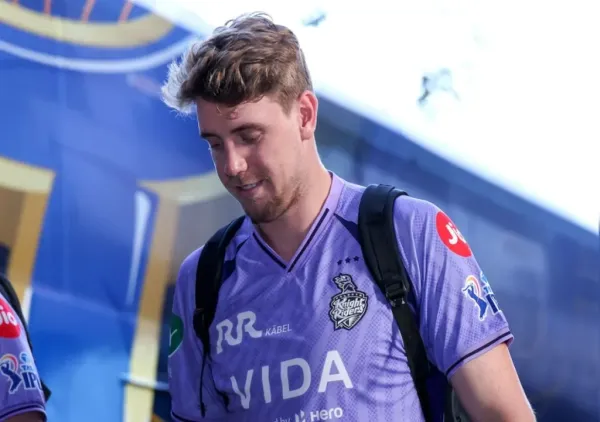
The issue came into sharp focus during Kolkata Knight Riders’ opening match, where their marquee signing Cameron Green failed to make a full impact.
Bought for a staggering Rs 25.20 crore, Green managed just 18 runs off 10 balls and did not bowl, leaving a significant gap in KKR’s balance. Captain Ajinkya Rahane did not shy away from addressing the issue.
“It is challenging because our bowlers are injured… Cameron Green cannot bowl at this moment,” Rahane said, later adding pointedly that questions around his bowling status should be directed to Cricket Australia.
Green is still recovering from back surgery, effectively forcing KKR to operate without the all-round capabilities they invested heavily in.
Not an isolated case
KKR are not alone in facing this challenge. Several IPL franchises are dealing with similar issues involving Australian players:
- Royal Challengers Bengaluru have managed Josh Hazlewood cautiously due to fitness concerns
- Sunrisers Hyderabad started without captain Pat Cummins, who is recovering from injury
- Delhi Capitals are awaiting the return of Mitchell Starc amid ongoing fitness issues
- Punjab Kings may not get bowling contributions from Cooper Connolly due to a suspected stress fracture
This widespread pattern has intensified concerns over player availability and the balance of squads early in the tournament.
Cricket Australia’s workload strategy
At the heart of the issue is Cricket Australia’s long-term planning.
With a packed international calendar—including around 20 Test matches scheduled between August 2026 and August 2027—the board is prioritising red-ball fitness over franchise commitments.Fast bowlers, in particular, are being carefully managed to ensure longevity and peak performance for national duties. While this approach benefits Australia’s international ambitions, it creates complications for IPL franchises that rely heavily on these players.
Tactical and financial impact on franchises
For teams, the consequences are immediate and significant.
The absence or limited availability of key players forces franchises to:- Reshuffle team combinations
- Over-rely on domestic players
- Compromise on match-ups and strategy
The financial implications are equally concerning. Franchises invest upwards of Rs 20 crore in marquee players but have little control over their availability. There is currently no compensation mechanism from the Board of Control for Cricket in India if players arrive injured or miss matches.
Calls for structural changes
The situation has reignited discussions around possible reforms to protect franchise interests. Among the suggestions being debated:
- Greater transparency on player fitness before auctions
- Clearer communication between boards, players and franchises
- Rule changes allowing mid-season or early replacements
- Potential compensation models from national boards
These measures could help restore balance and reduce uncertainty for teams investing heavily in overseas talent.
Conclusion
The Australian player fitness controversy has exposed a growing imbalance between international cricket priorities and franchise leagues. While national boards understandably safeguard their players, IPL teams are left navigating the fallout.
As the season unfolds, the debate over availability, accountability and financial fairness is only expected to intensify—raising important questions about the future dynamics between global cricket boards and franchise tournaments.



CSK vs RR: Who can replace Mahendra Singh Dhoni in the match against Rajasthan? There are 3 players in the race
Players ready to leave the country for IPL 2026, threat looms on international career

Vaibhav Sooryavanshi: Vaibhav Sooryavanshi broke the record of sixes, became number 1 in 8 matches of IPL

Why are the wins of RCB, Mumbai Indians and Rajasthan Royals bad for IPL?