
Samira Vishwas
Tezzbuzz|16-04-2026
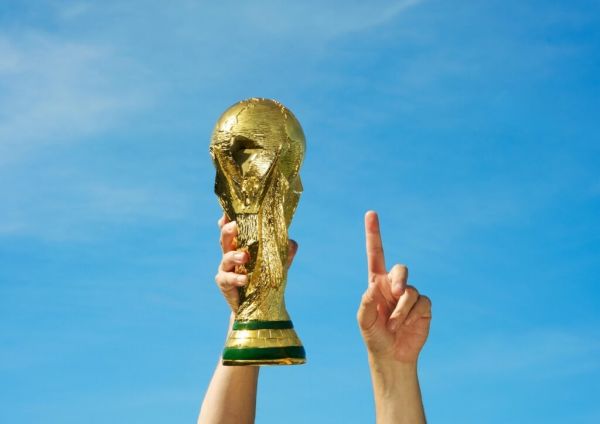
While playing in the FIFA World Cup has always remained a distant dream for India, the country has never turned away from vicarious enjoyment of one of the world’s biggest sporting events, sometimes even surpassing the Olympics as the most-watched.
Also read: Why bird droppings episode at India Open forces question on state of India’s non-cricket stadiums
But in 2026, even watching the marquee contest from India has been uncertain, as the tournament’s media rights remain unsold,with less than two months before the ball starts rolling in the first match (Mexico versus South Africa on June 11).
Prasar Bharati in fray: Reports
It is an unprecedented situation since, in previous editions of the World Cup football, broadcasters had secured rights well in advance. Reports have said that Prasar Bharati has stepped into the picture even as private players have shown reluctance in one of the world’s biggest consumer markets, questions are being raised over the state of football in the country. In recent times, India’s own ranking in the sport has slipped beyond the top 135.
Also read: Ahead of Bengal polls, BJP taps into football and cinema to boost party prospects
According to a report by The Economic Timesthe initial asking price by FIFA, football’s international governing body, for the combined India rights for the 2026 and 2030 editions was reportedly at $100 million. The price was later reduced to around $35 million. Yet there have been no takers.
Contrast that to cricket. Broadcast rights for a single Indian Premier League match in the 2023-27 cycle were sold for more than $13 million.
Odd match timings could also be a factor
However, the timing of the matches could be a major reason. With the 2026 edition set to be hosted in the Western Hemisphere, time zone differences create a challenge for audiences in India (the early matches are set to begin around 11.30 pm and 12:30 am IST) and since late-night broadcasts traditionally draw lower advertising rates, leading brands are expected to be cautious about making significant investments in slots that do not ensure a large audience.
Also read: Messi hopes for ‘bright future’ of football in India
The repercussions reach far beyond mere television viewership. Significant international competitions, such as the FIFA World Cup, usually stimulate a corresponding economy; establishments like restaurants, bars, fan zones, and community viewing events flourish during these occasions.
The broadcasters may also find it difficult to justify elaborate studio programming during the event, due to a limited audience engagement expected during odd hours.
The upcoming edition of the quadrennial tournament will be the largest ever in its 96-year-old history, featuring 48 teams instead of 32. It will be played in the US, Mexico and Canada with the final scheduled for July 19.

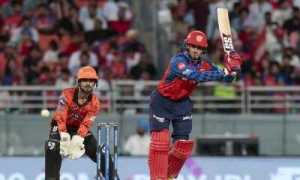
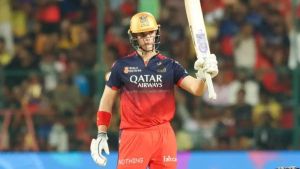
Will Jacob Bethell Play The RCB vs LSG IPL 2026 Game Today? Leaked
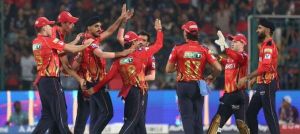
MI vs PBKS Dream11 prediction: Playing XI, Pitch Report & Injury News – IPL 2026
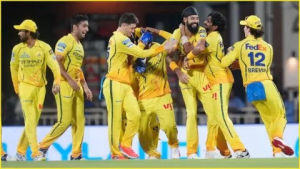
CSK vs KKR, IPL 2026: Will MS Dhoni play today? The possible playing XI of Chennai Super Kings could be like this
RCB vs LSG Live Score, IPL 2026: Royal Challengers Bengaluru looks to continue good form against Lucknow Super Giants; live updates, toss at 7 PM