
Sandy Verma
Tezzbuzz|17-04-2026
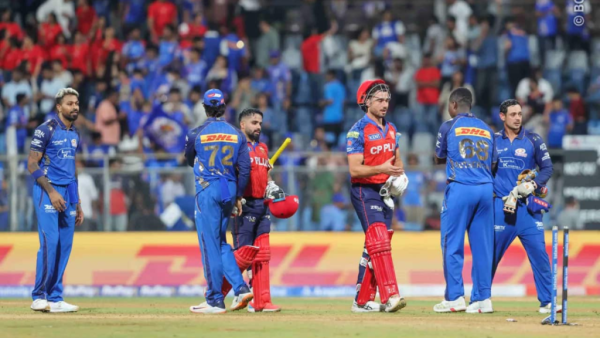
Joy faded fast when hopes crumbled under pressure. A record-breaking innings lifted spirits early, yet the Mumbai Indians still faced the weight of ongoing struggles. Punjab Kings didn’t settle for pursuit; they attacked with such force that 195 felt too low. The last hit sealed it: another loss, the fourth straight, dragging MI deeper into trouble. What started loud ended quietly, their season now hanging by a thread.
A dazzling hundred in the opening stretch sparked belief, yet beneath the surface, things were already creaking.
Punjab stepped up to face MI’s bowlers like they barely mattered. Early breakthroughs came for the away side, but the balance refused to tilt towards Mumbai. What followed was a precise unraveling of both late-order strategies and key players. Calm ran through PBKS like wire under skin; Mumbai trailed, reacting instead of leading, until the match slipped away by seven wickets.Here are six key reasons why MI lost the game:
1.
Failure to capitalize on De Kock’s century:
A blistering 112 from Quinton de Kock, untouched by bowlers across 60 deliveries, lit up the Wankhede, its calm pitch begging for more. Yet only Naman Dhir offered even a brief company; everything slowed down afterwards. The Mumbai Indians never reached the heights they could have touched; the late overs leaked promise.
Falling just shy, MI ended at 195/6, roughly twenty runs behind what might have been enough, given how strong Punjab Kings’ batters have looked lately.
2. Powerplay bowling inconsistency:
Chasing down 196 meant needing strong beginnings, yet Mumbai’s fast bowlers failed to settle into a pattern. Right off the bat, Deepak Chahar had it go wrong; his first over went for 21, taking the edge off the chase. A couple of swift wickets by AM Ghazanfar briefly lifted hopes for MI. Still, the older spinners couldn’t stick to consistent lines, letting PBKS glide through without real strain.
3. Jasprit Bumrah’s uncharacteristic off-day:
When the ball didn’t bounce right for Mumbai, their reliance on Bumrah came up short, no wickets, just 41 costly balls. Prabhsimran stood tall instead, unfazed by facing what many call India’s top pacer. With no chokehold through the middle or tight spells late, the captain scrambled options while boundaries piled. Plans melted as overs slipped past without control.
4. Costly lapses in the field:
Mistakes crept in once the game tightened up; MI’s defense just could not hold shape.
5. Ineffective middle-over squeeze:
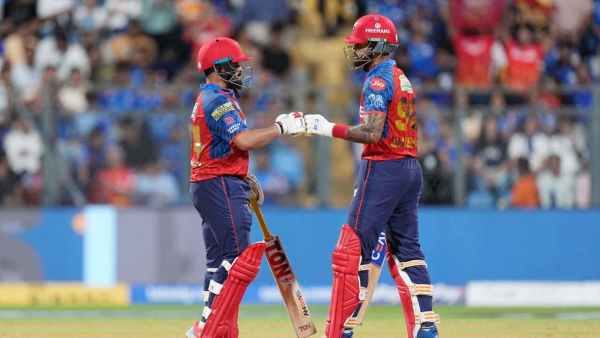
When Shreyas Iyer began finding his rhythm, so did Prabhsimran Singh beside him – the Mumbai Indians never adjusted. Off 67 balls, their stand grew into 139 runs, smooth and steady. Spin bowlers stepped in, then others tried later overs, yet nothing changed in how they pitched it short or full. Flat trajectories gave the batters room to swing sideways freely. Every delivery seemed expected, each field move arriving one step behind. Decisions out there appeared to be made after the fact, not before.
6. The Arshdeep Singh factor at the start:
Early on, PBKS’s pace found sharp edges where MI’s did not. Arshdeep Singh sliced through the opening batsmen, claiming Rickelton, then Yadav, both gone cheaply. With runs choked off up front, Mumbai stumbled out of the gate. That slow start pinned them behind, regardless of what followed. Even when de Kock struck hard later, the damage had already taken root. Control slipped away fast, never quite returning.






From Heartbreak to Greatness: The Rajat Patidar’s untold story

0,0,0,0,0…Why Jasprit Bumrah became zero from hero, this is the real reason

Virat Kohli’s ‘Like’ On Influencer’s Post Sparks Buzz As ‘Algorithm’ Meme Trends Again

Don’t miss India-South Africa T20 series in IPL, first match from this time