
Prateek Thakur
abplive|05-07-2026
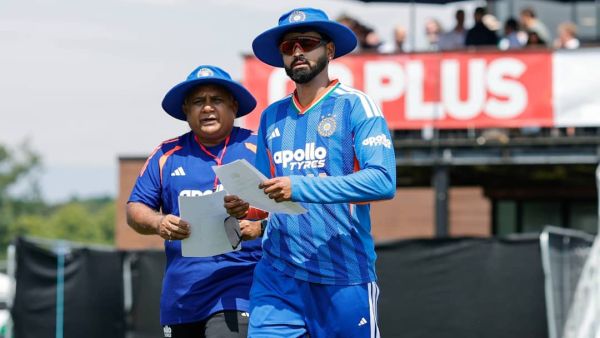
The numbers tell a story that few would have predicted. Shreyas Iyer, one of the most successful captains in Indian Premier League history, is still searching for his first victory as India's T20I captain. Four matches into his tenure, India remain without a win, a stark contrast to the leadership record that made him the natural choice to lead the country's next white-ball transition.
Tasked with succeeding Rohit Sharma and Suryakumar Yadav, Iyer has been entrusted with steering India's T20 side towards the 2028 Los Angeles Olympics. It is a long-term project built around a younger squad, but the opening results have exposed how different franchise cricket and international cricket can be.
A Captain With An Extraordinary IPL Resume
Few Indian captains have built a domestic record quite like Iyer. He led the Kolkata Knight Riders to the IPL title in 2024 and later guided the Punjab Kings to the 2025 final, becoming the first captain in IPL history to take three different franchises to the tournament final. Across multiple seasons, Iyer earned a reputation for staying calm under pressure, backing young players and making bold tactical decisions when matches were on the line.
That record made his appointment as India's T20I captain appear like a natural progression. The start, however, has been anything but straightforward.
Individual Brilliance Hasn't Translated Into Team Success
Results have not reflected Iyer's own contributions with the bat. In the opening T20I against England at Durham, the Indian captain rescued a struggling innings with a composed half-century before rain forced the match to be abandoned. It was an innings that demonstrated composure and leadership, but it produced no result.
The problems became more evident during India's tour of Ireland, where the visitors lost the bilateral series 2-0. The defeats exposed recurring concerns in the bowling attack, particularly during the middle and death overs, where India struggled to control partnerships.
Those issues resurfaced in Manchester, India posted a competitive 190/7 in the second T20I against England, a total that would have been enough on many grounds. Yet England recovered from losing Phil Salt and Jos Buttler inside the opening over, with Jacob Bethell leading an aggressive counterattack that took the game away from the visitors.
For the second successive series, India's bowling unit failed to defend a challenging score under pressure.
Why International Cricket Is A Different Test
The contrast between Iyer's IPL success and his early international record is not simply about wins and losses. Franchise cricket offers captains months to build combinations, work with familiar players and refine tactical plans across a long tournament. International cricket rarely offers that luxury. Every series presents different conditions, different opponents and constant personnel changes.
Captains must adapt almost immediately. That learning curve has become evident during Iyer's opening weeks in charge. India have shown enough quality with the bat to compete, but the bowling attack has lacked consistency when defending totals, placing additional pressure on a new captain still establishing his methods at the international level.
The Bigger Picture
Four matches are far too small a sample to define a captain.
Iyer's record currently stands at three defeats and one no result, numbers that look uncomfortable but reveal little about where this team could be two years from now. The selectors have invested in him because of his leadership credentials, not because they expected instant perfection.
Still, international cricket has a habit of turning small trends into lasting narratives.
The upcoming matches against England therefore carry significance beyond the result itself. A first victory would not erase the difficult start, but it would provide tangible evidence that India's transition is beginning to move in the right direction.
For now, that remains the paradox. The captain who mastered the IPL is still waiting to conquer international cricket.


ICC Women’s T20 World Cup 2026 Closing Ceremony: Schedule, Live-Streaming Details and the Performer Lineup
Women’s T20 World Cup 2026 — Nine years on, resurgent Heather Knight looks to recreate Lord’s heroics
‘In future, teams from associate countries will easily defeat India, Australia’, Maxwell’s statement
'Family, friends, teammates, fans…' - Ben Stokes pens emotional farewell message after retiring from international cricket