Matt Roller
cricinfo|13-07-2026
Test cricket may not carry the same global dominance it once did, but in England, it still stands head and shoulders above everything else. The last few weeks have been rough for English cricket; Ben Stokes walked away from the Test captaincy, and the team suffered a 2-1 home defeat to New Zealand. Even a comprehensive T20 series win over the world champion Indian side isn't enough to convince the average fan that all is well again.
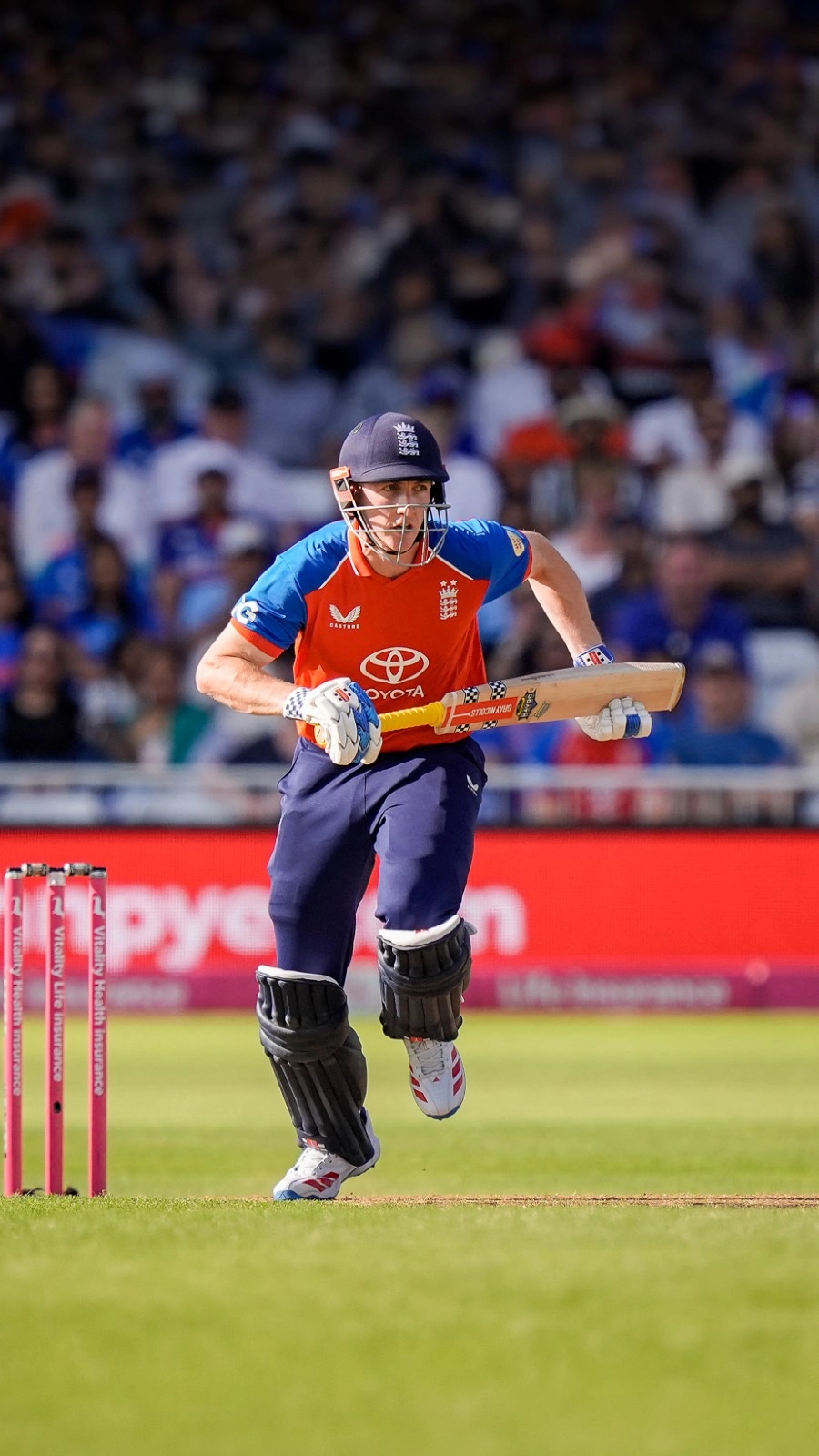
But Harry Brook, after smashing an outrageous 79 not out off just 35 balls to put England 3-0 up in the series, offered a small ray of hope. "It might have changed the mood a little bit," he said with a grin. Just ten days earlier, Brook had been criticized for a reckless nine-ball 21 at Trent Bridge. Now, he looks like a natural leader, and many are wondering if he's ready to take on the Test captaincy too.
Brook's journey to this point has been fascinating. When he first broke into the England setup, Stokes himself described him as "a bit dumb." But since taking over the T20 captaincy, Brook has proven to be anything but. He's won 17 of his 20 matches in charge, and with a win on Saturday, England could climb to the top of the ICC T20 rankings. While rankings in this format don't always carry huge weight, teams often rotate players; they still offer a useful measure of progress. And under Brook, England have clearly moved forward.
What stands out most is how adaptable England have become. They've used lop-sided boundaries to their advantage in Manchester, blown India away with raw pace in Nottingham, and then outsmarted them with slower balls in Bristol. They're bowling more spin than any previous England T20 side, and their batting lineup is filled with proper batters rather than just power-hitters. Brook has resisted the urge to chop and change constantly, with nine players featuring in at least 80 percent of T20Is since he took charge. Four players—Jacob Bethell, Jos Buttler, Tom Banton, and Adil Rashid—have been ever-present.
Brook deserves plenty of credit for that stability. He pushed for Liam Dawson's recall and came up with the idea to turn Will Jacks into a finisher. He has a natural feel for the game, often giving Jofra Archer a third over with the new ball if he's bowling well, and using his spinners both in the powerplay and at the death. But he's not anti-data either; he praised his team for running more twos than India and credited the analytic work behind their planning.
Interestingly, Brook and head coach Brendon McCullum seem to be on the same page. "Me and Baz get on really well," Brook said. "We think in the same way, and we're always striving to be the best team in the world." That alignment worked wonders for Stokes in the early days of his Test captaincy, but by the end of the Ashes, the relationship had soured. With Brook, it feels different, genuine and unforced.
But there are concerns. Brook hasn't scored a Test hundred in nearly a year, and his red-ball game seems to have hit a plateau. He's only ever known McCullum as his Test coach, and there's a risk that their close relationship could turn into groupthink if he takes over the longer format. Also, the Test team is far less experienced than the T20 side. In this series, Josh Tongue is the only player without at least 100 career T20 appearances. In contrast, Joe Root is the only Test player with even 50 caps.
So, is Brook ready to lead England across all three formats? On the surface, he ticks almost every box: tactical intelligence, strong relationships, a winning record, and a clear vision. But Test cricket is a different beast altogether. It demands patience, temperament, and the ability to grind out results over five days. Brook has shown glimpses of that in the past, but his recent form raises legitimate questions. For now, he's excelling in white-ball cricket. Whether he can replicate that success in the longest format remains the million-dollar question for English cricket.

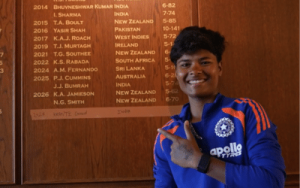
WATCH: Kranti Goud becomes first female cricketer to feature on Lord's Honours Board
Prince Yadav and Ravi Bishnoi replace Harshit Rana and Varun Chakaravarthy in India's squads
Jason Holder has retired from ODI cricket, says West Indies head coach Daren Sammy
India To Field Strongest Lineup In 1st ODI Ft. Kohli, Rohit & Bumrah - Check Probable XI