

Nigel Ashbourne
sportsseier|28-07-2026
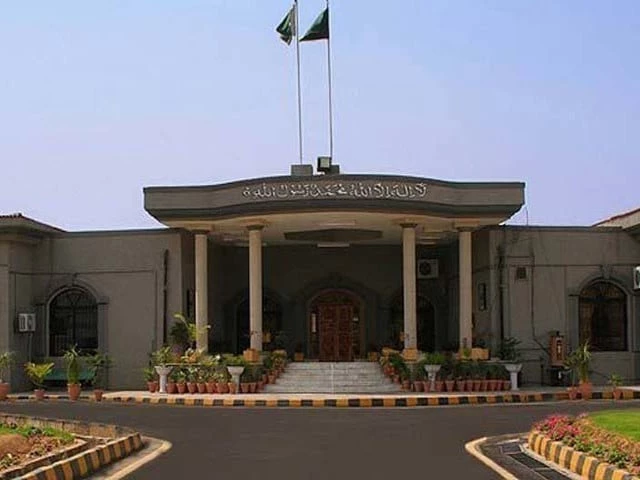
In a major ruling with wide-ranging effects on Pakistan's tax system, the Islamabad High Court (IHC) dismissed a private bank's constitutional petition that had challenged the validity of Section 4C of the Income Tax Ordinance, 2001, and upheld the levy of super tax in a dispute involving around Rs11 billion.
The IHC division bench also set aside the interim stay orders and dismissed all pending applications, while reaffirming Parliament's constitutional power to make fiscal laws, the statutory appellate route under the Income Tax Ordinance, and the special tax structure that applies to banking companies.
The bank had contested the expanded super tax regime on several constitutional and legal grounds. The court noted that where an effective and sufficient statutory remedy is already available and has been used, the extraordinary constitutional jurisdiction under Article 199 should not normally be exercised.
It further held that since no substantial part of the cause of action arose within Islamabad, the petition was not maintainable before the IHC.
On the main question, the bench ruled that liability under Section 4C is determined by income earned and recognised during the relevant tax year, not by the earlier date on which the underlying banking or Islamic financing contracts were signed.
It accepted the Federation's position that the Seventh Schedule establishes a uniform taxation regime for all banking companies and does not draw any distinction between conventional and Islamic banking for the purpose of calculating taxable income or imposing tax.
As a result, the bench held that the bank's claim that income generated from Islamic financing agreements executed before the introduction or enhancement of Section 4C could not be subjected to Super Tax had no legal foundation under the Income Tax Ordinance.