
ABP Live Sports
abplive|11-08-2026
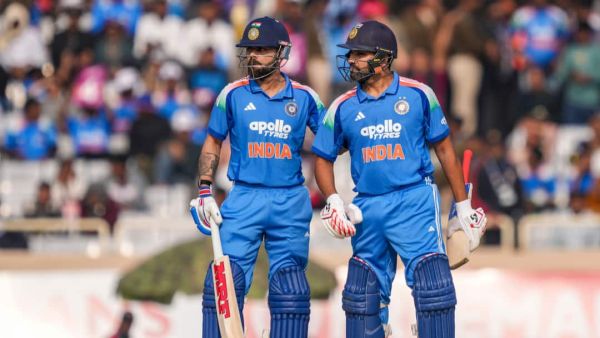
In international cricket, a bat is far more than just a tool for scoring runs; its weight plays a crucial role in shaping a player's performance, technique, and longevity on the field. While some batters rely on heavy bats to maximize shot power, others favor lighter blades to enhance bat speed and reaction time.
According to standard cricket norms, international players generally use bats weighing between 1.1 kg and 1.4 kg. However, there is no single ideal weight, as selection depends heavily on an individual’s physical strength, playing style, and tactical preferences.
Why Do Players Choose Light Bats?
Bats that weigh around 1.1 kg to 1.2 kg are classified as lightweight options. These bats allow players to maneuver the blade effortlessly, enabling rapid swing speeds and quick reactions against high-pace bowling.
Enhanced Control and Timing: A lighter bat gives batsmen superior control when executing touch shots, such as cuts, drives, and glides. Players who rely on timing and precise ball placement rather than brute force tend to prefer these bats.
Power Without Mass: Choosing a light bat does not mean sacrificing the ability to clear the boundary. With high bat speed and precise timing, batters can still hit massive sixes and clear long boundaries effortlessly.
What Are The Advantages Of Heavy Bats?
Bats weighing between 1.3 kg and 1.4 kg offer a distinct mechanical advantage due to their higher mass. When a heavy bat collides with the ball, it imparts maximum force upon impact.
Maximum Power Potential: If a batsman connects with the sweet spot using sufficient swing speed, a heavier bat delivers tremendous distance and boundary-clearing power.
Strength and Technique Required: Swung effectively, heavy bats produce immense hit power. However, they require immense physical strength and wrist control; if a player lacks the strength to maintain proper bat speed, both their timing and shot control will suffer.
Impact Of Bat Weight On Long Innings
Bat weight becomes particularly significant during longer formats like Test cricket, where a player might stay at the crease for several hours.
Fatigue and Strain: Consistently swinging a heavy bat places significant physical strain on the wrists, forearms, and shoulders, leading to faster muscle exhaustion.
Sustained Control: A lighter or well-balanced bat helps reduce physical fatigue, allowing batters to maintain shot control and alertness late into an extended innings.
Finding The Ideal Weight In International Cricket
Ultimately, there is no universal rule determining whether a heavy or light bat guarantees success or extra runs. International cricketers select their gear based on a combination of height, physical power, technical preferences, and match requirements. The best bat is simply the one a batter can control effortlessly while generating optimal bat speed at the moment of impact.






Mumbai Indians may retain Hardik Pandya as KKR, CSK talks remain tentative

Scotland and Netherlands Hit Back at ICC Over New ODI World Cup Format

Netherlands, Scotland slam ICC for new 2027 World Cup format

World Cup plans: UEFA, CONCACAF, AFC accuse FIFA of ‘deception’